Now loading...
Rivian, the electric vehicle maker pushing boundaries in automotive tech, took the wraps off its ambitious plans for AI-powered driving and ownership experiences during its inaugural Autonomy and AI Day event on December 11, 2025. Held at the company’s Palo Alto headquarters, the gathering spotlighted a custom-designed chip, a fresh blueprint for advanced self-driving capabilities, and a software overhaul deeply rooted in artificial intelligence.
Founder and CEO RJ Scaringe expressed enthusiasm about the advancements, noting that the new hardware setup, featuring an internal 1600 sparse TOPS inference chip, sets the stage for major leaps in autonomous driving. He highlighted the potential to reach Level 4 autonomy, transforming how owners spend time in their vehicles by handing back hours otherwise lost to manual driving.
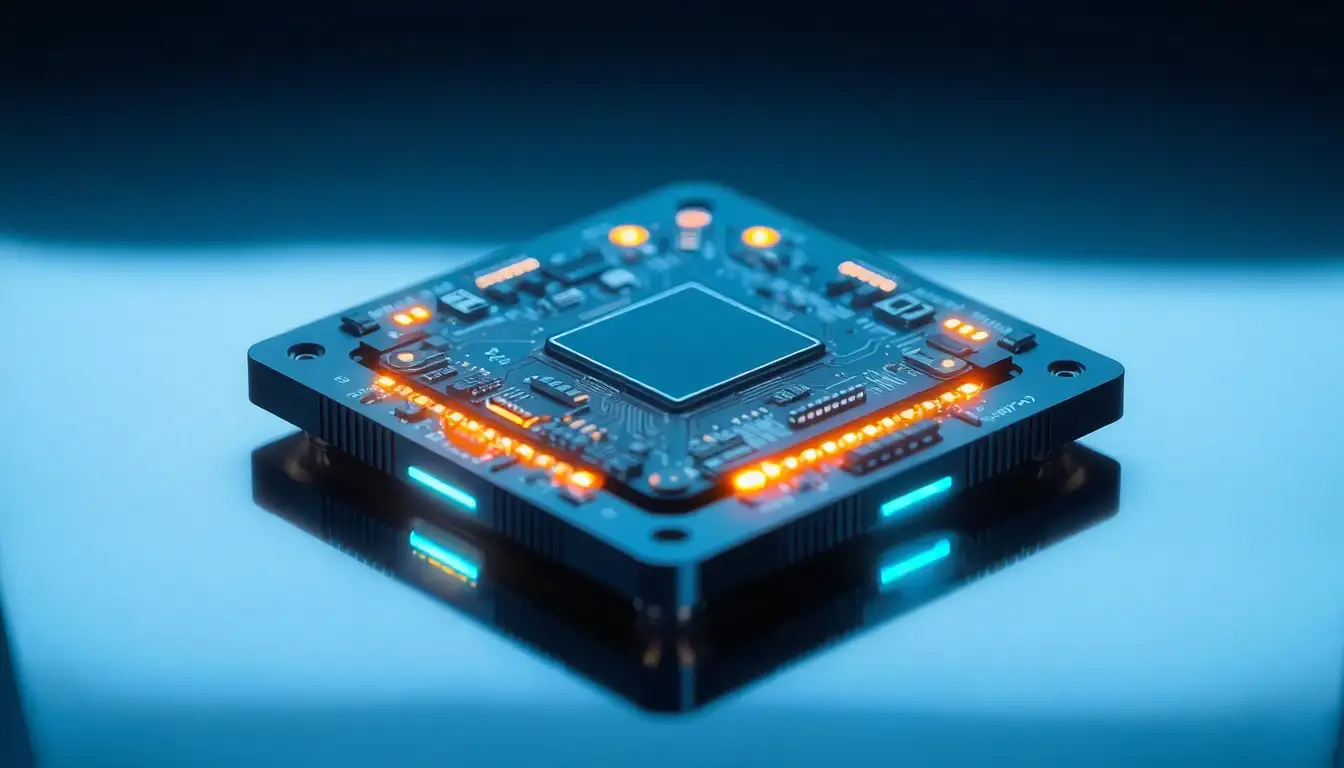
Central to Rivian’s strategy is its shift toward proprietary hardware tailored for vision-based AI systems. The debut Rivian Autonomy Processor, or RAP1, is a bespoke 5-nanometer chip that combines computation and memory in one module, ensuring high efficiency, top performance, and adherence to automotive safety standards.
This processor drives the third-generation Autonomy Compute Module, known as ACM3, boasting key capabilities like 1600 sparse INT8 trillion operations per second, handling 5 billion pixels every second, and an innovative low-latency connection called RivLink that scales power by linking multiple chips. Backed by Rivian’s own AI compiler and software platform, ACM3 is in testing alongside LiDAR sensors for enhanced sensing in R2 vehicles, with rollout expected by late 2026 to bolster detection in tricky scenarios.
On the software side, Rivian outlined a platform focused on end-to-end learning from vast driving data. A standout is the Large Driving Model, akin to large language models but trained on road behaviors using Group-Relative Policy Optimization to refine decision-making from huge datasets.
Owners of second-generation R1 models will soon access Universal Hands-Free driving assistance, enabling prolonged hands-off operation across more than 3.5 million miles of mapped roads in the US and Canada, including some off-road paths with visible lane markings.
To monetize these features, Rivian introduced Autonomy+, a subscription service offering ongoing upgrades for $2,500 upfront or $49.99 monthly, set to debut in early 2026. The company envisions steady enhancements for R1 and upcoming R2 lines, progressing toward seamless point-to-point trips, eyes-off driving, and personalized Level 4 autonomy.
Rivian’s AI ambitions extend beyond the road with Rivian Unified Intelligence, a unified system using multimodal data and multiple large language models to boost everything from in-car features to maintenance predictions. Launching early next year on first- and second-gen R1 vehicles, the Rivian Assistant voice tool integrates vehicle controls with external services like Google Calendar through a custom framework, drawing on edge AI and advanced models for intuitive interactions.
This intelligence will also revolutionize service by aiding technicians with precise diagnostics from vehicle data, with similar tools coming to the mobile app for easier owner troubleshooting. Rivian’s end-to-end integration from hardware to software positions it to swiftly upgrade the full driving ecosystem.
Rivian (NASDAQ: RIVN) designs and produces innovative electric trucks and SUVs in the US, emphasizing adventure, work utility, and sustainable transport. The company sells directly to individuals and fleets, aiming to protect the environment for future generations.
For more details, visit Rivian’s newsroom.
This announcement includes forward-looking projections about timelines and capabilities, subject to risks outlined in Rivian’s SEC filings, such as the latest Form 10-Q.