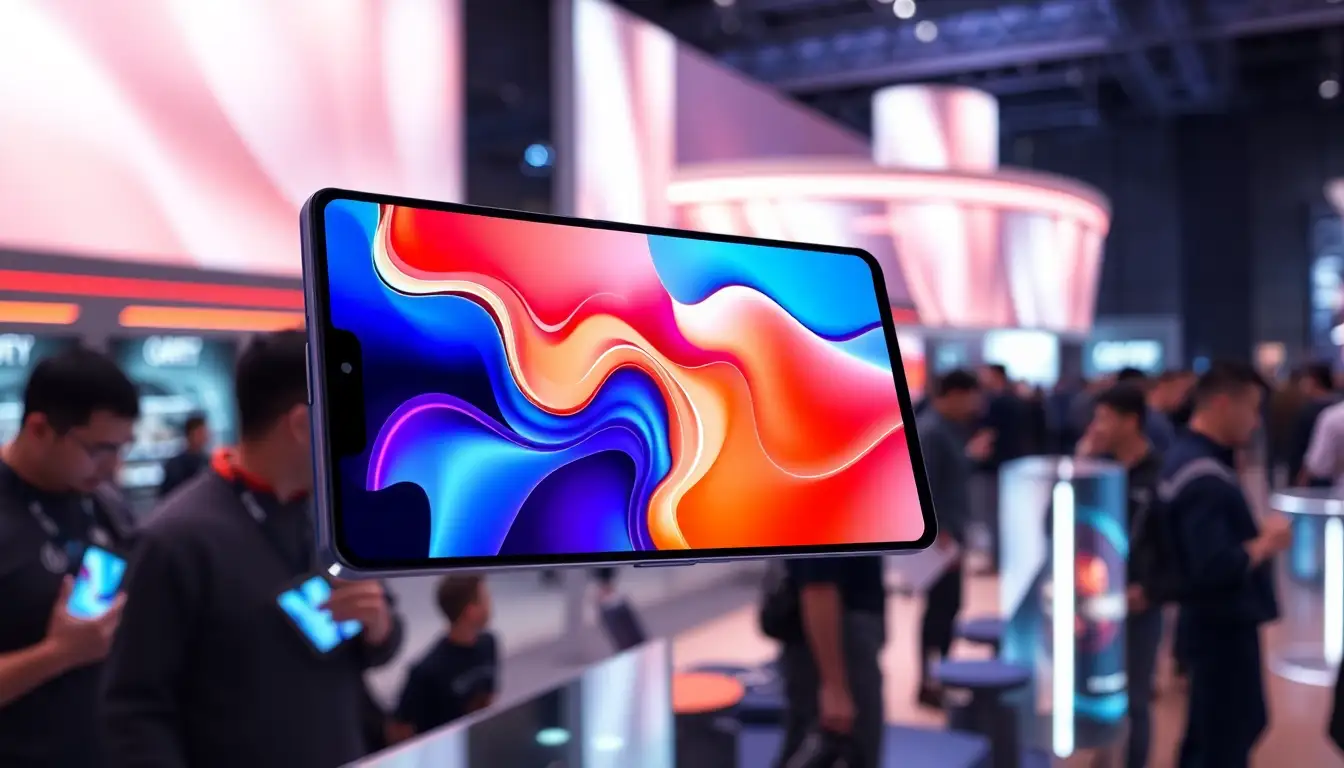
The annual CES extravaganza is nearly upon us, set to open its doors on January 4 for media previews and January 6 for the general crowd. As the premier gathering for technological advancements worldwide, this event in Las Vegas promises a flood of reveals from major players and emerging innovators, setting the tone for the year ahead in gadgets and gear.
Looking at the momentum from recent developments, several patterns stand out for what attendees might encounter on the expo floor. Artificial intelligence continues to dominate, seeping into everyday hardware in fresh ways. Wearables, a perennial CES staple, are evolving rapidly with AI integration. Think enhanced analytics delivered through conversational interfaces, making complex data more accessible. Devices like intelligent eyewear, clip-on assistants, and fitness trackers are gaining traction, building on last year’s introductions such as neural wristbands and interactive mirrors. This year could bring even more options from lesser-known creators, potentially offering robust functionality at competitive prices without the premium branding markup.
Now loading...
Beyond wearables, the push to connect digital smarts with tangible actions is fueling growth in AI-powered personal tech. Reports suggest a surge in these tools, which could prove transformative for health monitoring and daily productivity. Expect a deeper dive into prototypes and polished products from startups, as the show provides a platform for hands-on testing outside the usual suspects like established ring trackers or branded smart specs.
Mobile devices are also pushing boundaries, moving past traditional flat designs into more versatile forms. The foldable category has seen remarkable progress in 2025, with slimmer profiles from leaders like Samsung’s Galaxy Z Fold 7, which cuts thickness by a quarter in both states, and Apple’s ultra-thin iPhone Air, hinting at future flexible ambitions. But the real leap came with tri-fold innovations: Huawei’s Mate XT Ultimate hit markets early in the year, unfolding to a expansive 10.2-inch display for tablet-level utility. Samsung followed suit, unveiling its Galaxy Z TriFold with a 10-inch bendable screen, slated for U.S. arrival in early 2026.
Given CES’s global exhibitor mix, even if big names hold back major launches for dedicated events, international variants or rival tri-fold concepts could appear. This shift toward multi-panel phones redefines portability, blending phone, tablet, and laptop utility into one sleek package.
Robotics remains a highlight, particularly in domestic automation. Smart home exhibits will showcase upgrades to essentials like vacuums, which have grown from basic cleaners to multifunctional helpers. Last year’s standout, a model with a grabbing arm for stray items, exemplified this trend. This time around, anticipate sleeker designs with improved navigation and efficiency, alongside experimental bots venturing into companionship roles. Powered by advancing AI, these machines might finally bridge the gap from novelty to practical aides in homes and beyond, with prototypes dotting the halls that could hint at everyday applications soon.
Delving deeper into AI’s engine room, hardware announcements from semiconductor giants are on the horizon. Nvidia, fresh off last CES’s Cosmos platform for robotics and self-driving tech—which earned accolades for its potential—plans a presence this year, possibly with keynote insights into next-gen processing. For more details on their involvement, check Nvidia’s CES event page. AMD joins the fray with a confirmed January 5 keynote at 6:30 p.m. PT, where leaks point to reveals like advanced 3D V-Cache processors, underscoring the relentless drive in compute power.
No CES would be complete without a spectacle of displays, and televisions will deliver in spades. Past shows have wowed with rotating screens, mountless wall adhesion, and colossal sizes up to 116 inches boasting superior color ranges. This edition should amplify that, with larger formats infiltrating more spaces and innovations in projection and audio companions. Soundbars and projectors with refined clarity promise to elevate home theaters, while emerging tech like advanced micro RGB panels could challenge current leaders in brightness and vibrancy.
In all, CES 2026 shapes up as a showcase of convergence, where AI, flexible hardware, autonomous helpers, and immersive visuals collide to preview the gadgets defining our near future.