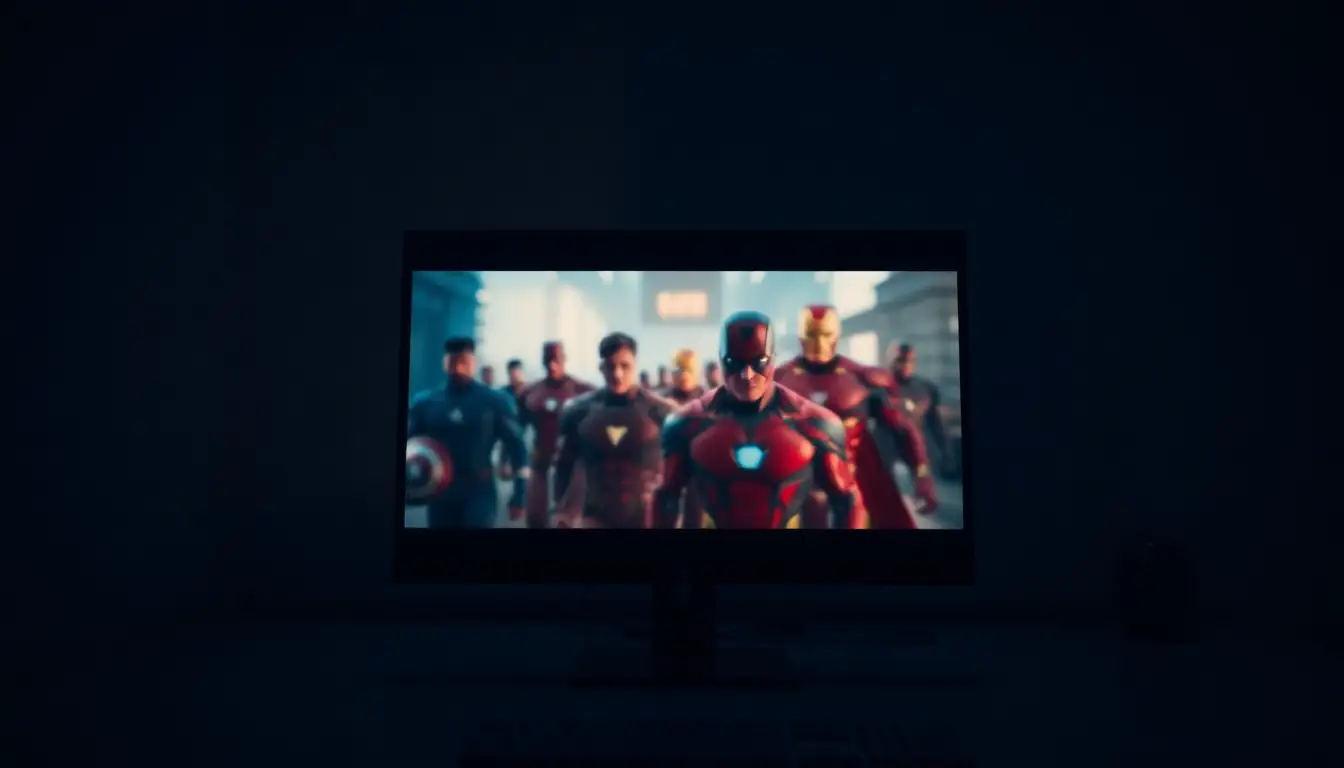
YouTube has shut down two major channels notorious for producing AI-generated fake movie trailers, marking a significant crackdown on deceptive content flooding the platform.
The channels, Screen Culture and KH Studio, collectively drew more than two million subscribers and racked up over a billion views before their abrupt removal. Visitors now encounter a standard error message stating the page is unavailable and suggesting alternative searches.
Now loading...
Operated from India and Georgia, the channels did not respond to requests for comment. This action follows months of scrutiny over their practices, which involved blending genuine film clips with artificial intelligence to craft misleading previews that tricked viewers into believing they were official releases.
Back in March, a detailed probe exposed how these channels were profiting from the surge in generative AI tools to dominate YouTube searches. In response, the platform initially halted their ad earnings. The operators adapted by tacking on labels like “fan trailer,” “parody,” or “concept trailer” to their titles, which allowed monetization to resume. However, they dropped these qualifiers in recent months, reigniting worries among creators in the fan trailer space.
YouTube cited violations of its rules against spam and deceptive content descriptions as the reason for the terminations. One independent creator hailed the move to Deadline, declaring that the “monster” behind the misinformation had finally been vanquished.
The investigation highlighted how Screen Culture, led by founder Nikhil P. Chaudhari and a team of about a dozen video editors, gamed the algorithm by rushing out fabricated trailers ahead of real announcements and refining them through rapid iterations. By early spring, they had uploaded 23 variations of a trailer for the upcoming Marvel film The Fantastic Four: First Steps, with some versions surpassing the authentic one in search rankings. Similar tactics targeted projects like HBO’s rebooted Harry Potter series and Netflix’s Addams Family spin-off Wednesday.
Rather than issuing takedown notices for copyright infringement, several major studios—including Warner Bros. Discovery and Sony—quietly arranged with YouTube to redirect advertising revenue from these AI-laden fakes straight to their own coffers. Representatives from those companies declined to elaborate.
Disney content appeared frequently across both channels, underscoring broader tensions in the industry. Just last week, the entertainment giant issued a formal demand to Google, YouTube’s parent, accusing its AI systems of extensively violating Disney’s intellectual property rights through unauthorized training and deployment.
For deeper insights into AI’s upheaval in Hollywood, check out Deadline’s ongoing coverage here.