Now loading...
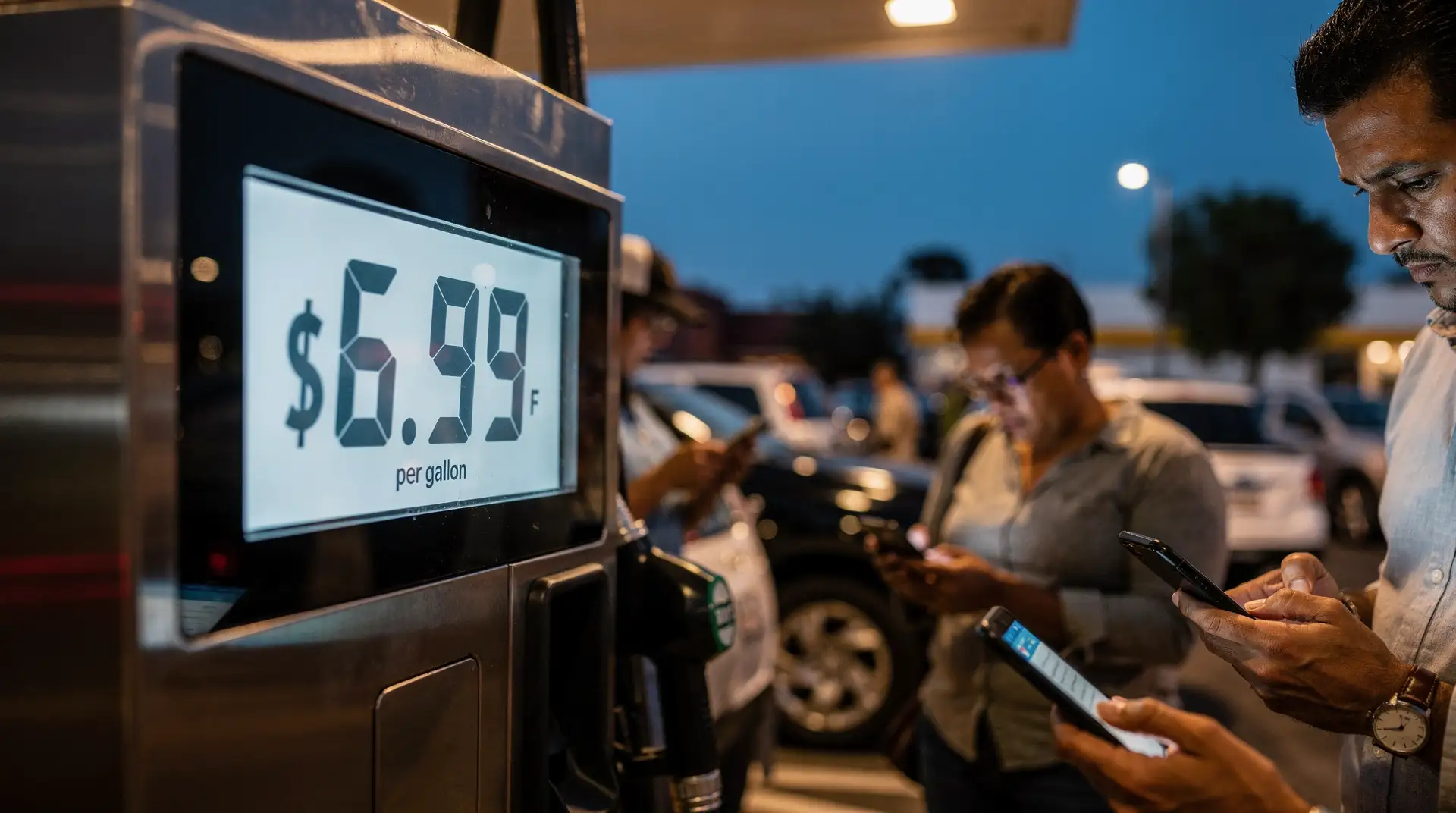
Residents of California experiencing recent spikes in gas prices, climbing as high as $6 to $7 per gallon, might soon have a means to seek restitution if a proposed class action lawsuit progresses. Filed on June 22 in the Eastern District of California, the lawsuit alleges that several major gas station chains engaged in price manipulation through AI-driven pricing software from Kalibrate Fuel Systems. This software reportedly incorporates competitor data to artificially influence fuel costs.
The complaint encompasses over 1,700 gas stations throughout the state, with notable names such as BP, Walmart, Marathon Petroleum, 7-Eleven, Albertsons, and Circle K being implicated. According to the plaintiffs, the use of this automated software resulted in gas prices climbing approximately 30 cents per gallon higher than what would be expected in a typical competitive environment. They describe this practice as “an illegal algorithmic price-fixing scheme orchestrated by the algorithmic pricing company Kalibrate and a number of the state’s largest fuel retailers.”
California already holds the record for the highest average gas prices in the nation, meaning even marginal increases due to software-driven pricing can significantly affect drivers’ wallets.
An official from Kalibrate was unavailable for immediate comment regarding the allegations. The lawsuit claims that the involved gas companies contravened California’s AB 325 law, which was enacted earlier this year to target algorithmic price fixing. This law allows California plaintiffs to make antitrust claims against competitors that collaboratively employed a shared pricing algorithm to undermine market competition, thus streamlining the process of initiating such legal actions under California’s Cartwright Act.
A spokesperson for the California Energy Commission’s Division of Petroleum Market Oversight confirmed that the agency has advised fuel refiners, distributors, and sellers about the requirements set by AB 325. They stated, “DPMO will continue to engage with market participants to ensure that they are familiar with their legal obligations in the Golden State,” as shared with CNET through an email.
In recent months, the Commission also issued a caution about the rising costs of branded gasoline compared to generic options amid escalating prices associated with the ongoing conflict in Iran. Previously, they were already probing high gas prices across the state.
The class action suit names three plaintiffs: Joel Casciani from Chula Vista, Paola Hartman from Homeland, and Crystal Turnbough from Marysville, all of whom allege they paid inflated prices at gas stations using Kalibrate’s pricing system. While the lawsuit does not specify an exact dollar amount for the damages sought, it does request compensatory damages and the potential for tripling the awarded amount.
This legal action arrives just as Kalibrate has launched a mobile app designed to empower fuel retailers to adjust prices via their smartphones, boasting features intended to provide “enhanced market insight” along with new AI-driven functionalities.
Dynamic pricing, although controversial, has been a common practice for years, particularly after algorithms became integral to corporate sales strategies. High-profile examples include Uber’s surge pricing mechanism for ridesharing and variable ticket pricing for airlines, both of which have attracted criticism from consumers. More recently, ticket prices for the World Cup skyrocketed based on demand, with some organizations, such as the US Chamber of Commerce, advocating for the benefits of dynamic pricing after initial surges settle.
However, a significant shift has occurred in recent years with companies increasingly using data about individual customers to determine pricing, known as surveillance pricing. This contrasts dynamic pricing, which is based on demand and competitive market conditions. In December, New York passed a law aimed at curbing surveillance pricing, now taking effect, while California lawmakers are considering similar measures, such as AB 2564, which seeks to prohibit retailers from adjusting prices based on customers’ personal data. Advocates, including the Electronic Frontier Foundation, argue that such practices are detrimental to privacy, equity, and price transparency.