Now loading...
Recent allegations from the Trump administration suggest that Moonshot AI, a Chinese artificial intelligence startup, has engaged in the unauthorized use of technology developed by Anthropic, particularly its advanced language model known as Fable. Michael Kratsios, a prominent tech official from the former administration, asserted via a post on X that Moonshot AI distilled elements from Fable to improve its own model, K3. He described this alleged industrial espionage as an unacceptable attempt to undermine U.S. technological advancements.
Scott Bessent, the U.S. Treasury Secretary, remarked on the situation, indicating that Moonshot AI may soon find itself on a trade blacklist, potentially facing sanctions. These accusations are likely to intensify existing tensions around technology between the United States and China, particularly as both countries develop increasingly potent AI capabilities that carry serious economic and military implications.
In response to these accusations, a spokesperson for Moonshot did not provide a statement. However, Liu Chang of the Chinese embassy in Washington dismissed Kratsios’ claims as “entirely unfounded,” emphasizing that China honors intellectual property rights. He urged American officials to acknowledge the facts and refrain from discrediting China’s advancements in AI.
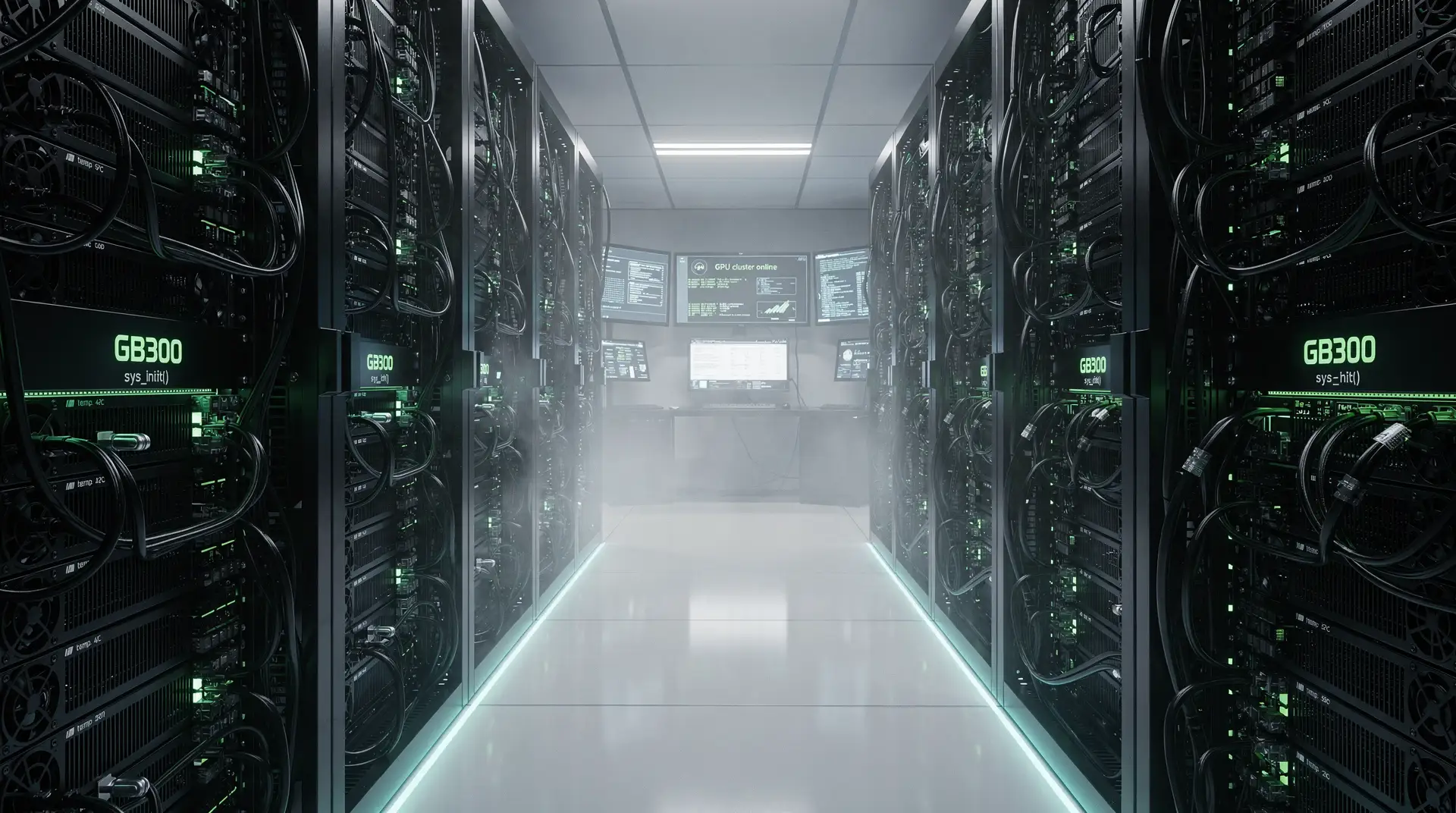
Sarah Heck, a public policy executive at Anthropic, echoed the U.S. government’s concerns, stating that the theft of American AI models poses significant risks to national security. Kratsios also mentioned that Moonshot AI had secured servers with powerful Nvidia chips, known as GB300s, speculating that these may have been used for training its AI models in Thailand. Prior reports had suggested that another Chinese startup, DeepSeek, trained its AI models on similar advanced Nvidia hardware, potentially breaching U.S. export regulations.
The U.S. State Department has initiated a global effort to spotlight what it claims are widespread attempts by Chinese enterprises, including Moonshot AI, to pilfer intellectual property from American AI research institutions. According to a diplomatic cable reviewed by Reuters, the approach follows recent concerns about AI technology security.
The process of “distillation” involves training smaller AI models on the outputs generated by larger, more sophisticated models, reducing the training costs for new systems. Earlier this year, Anthropic accused three Chinese AI firms, including Moonshot and DeepSeek, of misusing its Claude model to gain advantages in their own development. These companies reportedly engaged in over 16 million interactions with Claude, employing thousands of counterfeit accounts to bypass restrictions.
Concerns have previously been raised about the integrity of AI development, with OpenAI warning lawmakers that DeepSeek was attempting to replicate its technologies and exploit leading AI models for its own benefit. The State Department’s April cable warned that unauthorized distillation could enable foreign entities to produce comparable AI products at substantially lower costs without achieving the original performance standards.
Amid these tensions, Moonshot AI recently launched its Kimi K3, which it claims is the largest open-weight AI model in the world with 2.8 trillion parameters, rivaling Anthropic’s sophisticated Fable model. This release further illustrates the rapid pace at which China’s AI landscape is advancing, narrowing the technological gap with U.S. counterparts.