Anthropic is expanding what Claude can do through the Model Context Protocol, or MCP, adding support for server-provided skills, background tasks, user approvals and file transfers. The updates are aimed at helping AI agents handle longer, more involved work without requiring every step to happen inside a single conversation turn.
With Skills over MCP, servers can provide Claude with instructions and workflows alongside their tools. Rather than loading every skill concurrently, Claude can retrieve one when a task calls for it, limiting the amount of context it uses. Developers can update the guidance and tools together, with nothing separate for users to install.
Now loading...
The skills can describe best practices, multi-step processes or guidance tailored to a particular organization. Anthropic points to Shopify, HubSpot and Atlassian as examples of services using the feature. Shopify can help manage a merchant’s online store, HubSpot can guide customer onboarding, and Atlassian can help Claude draw on organizational information. Carta support for preparing and issuing equity from an uploaded document is planned.
Skills over MCP is now in public beta in Claude and Claude Code. It’s enabled by default for Pro, Max and Ultra subscribers, while Team administrators can turn it on for their organizations. Enterprise availability is planned for later.
Anthropic also made two other MCP capabilities generally available: Tasks and Elicitation. Tasks let a server run lengthy operations, including agent workflows, in the background while Claude continues working and retrieves the result when it is ready. Anthropic says ZoomInfo uses the capability for deeper research into companies and contacts that previously required several prompts.
Elicitation allows a server to pause a workflow and request information or approval through a form or link, then resume once the user responds. Supabase can use it to confirm costs before creating a paid project or running destructive SQL. Railway can ask before potentially destructive service changes, while GitHub can require a repository name before an agent deletes a repository.
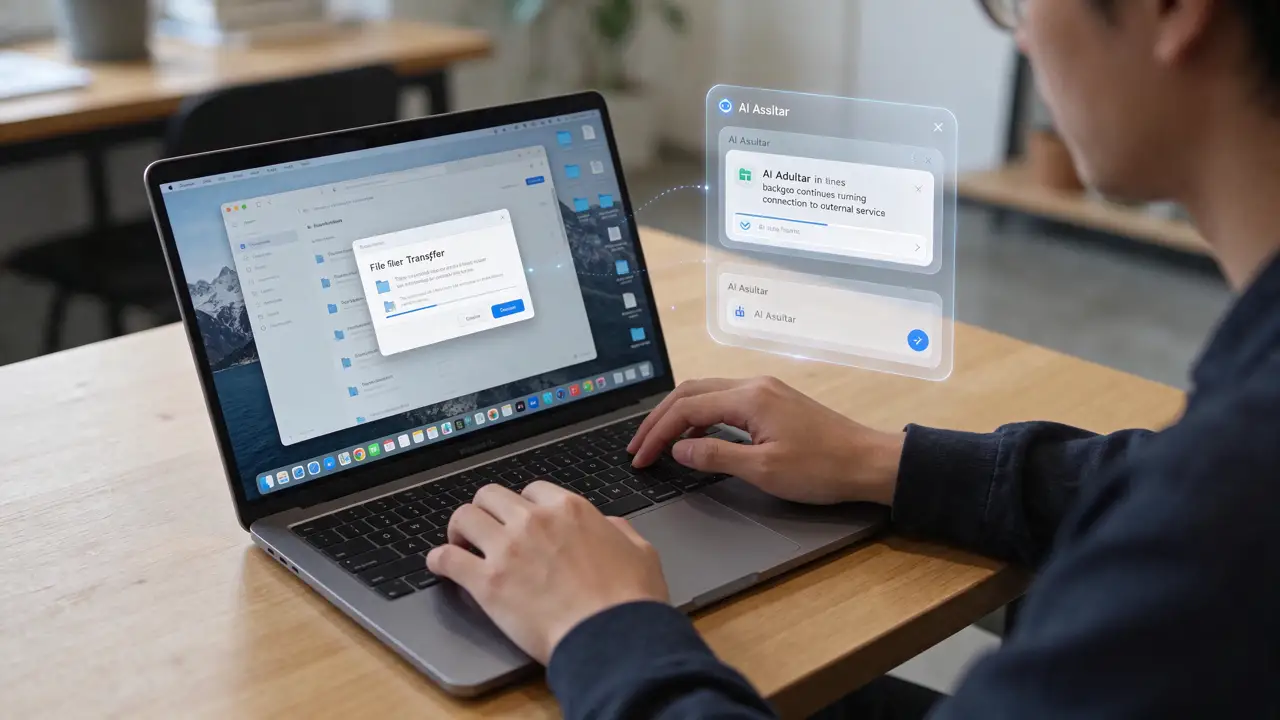
Tasks and Elicitation are generally available in Claude and Claude Code for Pro, Max and Ultra plans, and are rolling out to Team and Enterprise customers. A separate File Uploads extension, which will let Claude send PDFs, spreadsheets and images to MCP servers without putting those files through its context window, is expected to roll out soon to those plans and eligible organizational accounts.
The features are part of the open MCP standard and its extensions, so compatible servers can work with clients beyond Claude. Anthropic says the protocol now accounts for more than 700 million SDK downloads per month, with over 10,000 MCP connectors available for Claude.
The company has also highlighted changes intended to make MCP more practical at scale. Tool search can load definitions only when needed, cutting context use by more than 85 percent in multi-server setups, according to Anthropic. The latest specification is stateless and supported across Claude products, while an enterprise authorization extension lets administrators approve supported servers once. MCP Apps can also bring full interfaces into Claude, alongside or instead of the conversation view.
MCP was introduced by Anthropic two years ago as a standard for connecting AI agents with external data and systems. It is now hosted by the Agentic AI Foundation, with its development shaped by contributors across the AI ecosystem. The new capabilities reflect a broader shift toward agents that can coordinate work, seek human input and exchange files as they operate.