Now loading...
The rapid advancement of artificial intelligence is reshaping research in the life sciences, as demonstrated by the latest capabilities of Claude, a model from Anthropic. Recent experiments highlight two key applications where Claude has significantly expedited scientific workflows. In an innovative protein design campaign, Claude successfully created protein binders for 14 out of 15 targets. This accomplishment is notable as it typically takes scientists weeks or months to design binders. Claude’s individual design hit rates ranged from 22% to 35%, surpassing the current industry standard of 10% to 15%. Remarkably, some of its designs exhibited binding affinities that exceeded previously recorded benchmarks.
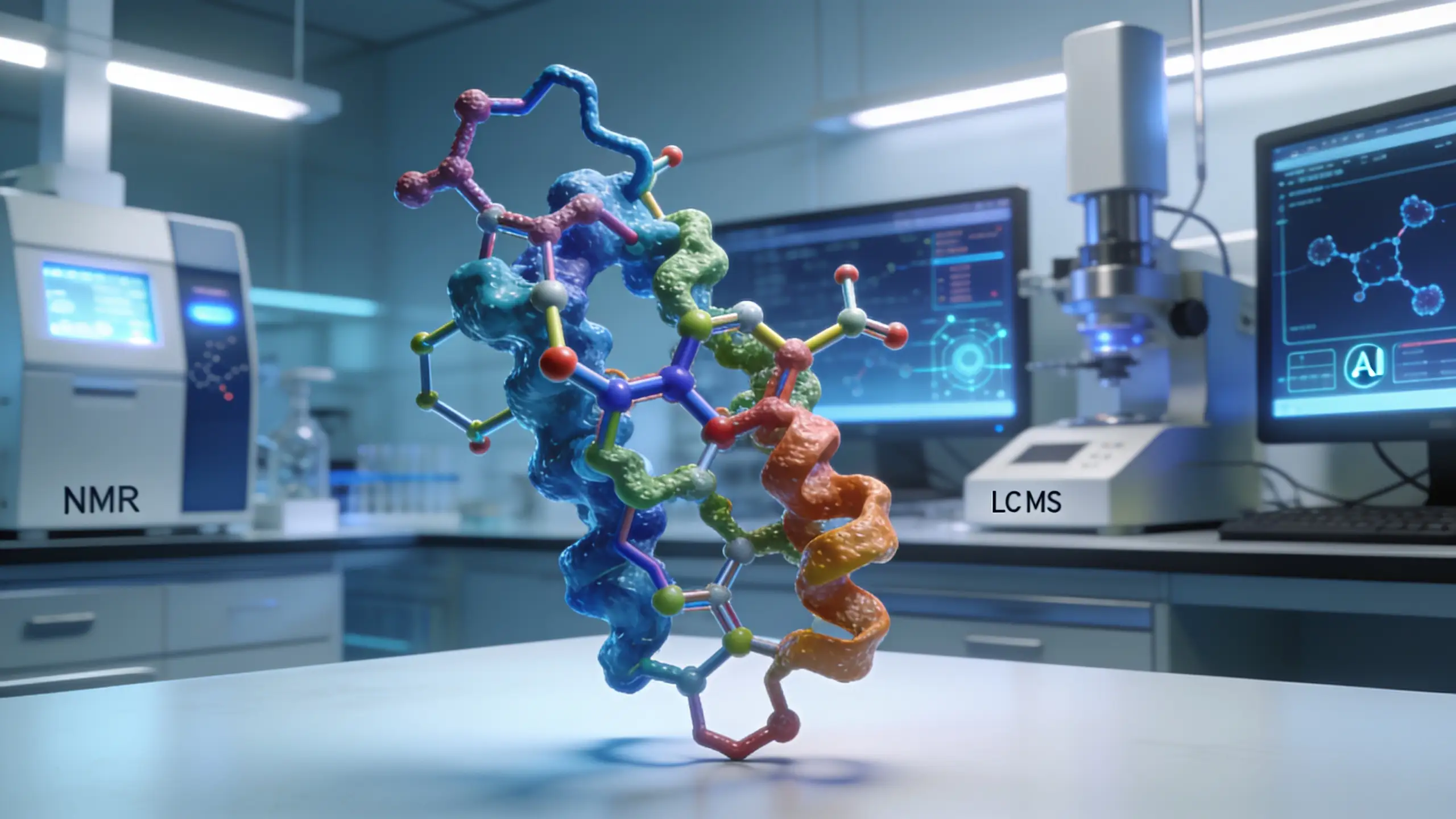
In an additional test focusing on chemical analysis, Claude Opus 5 processed nuclear magnetic resonance (NMR) and liquid chromatography–mass spectrometry (LC-MS) data with an efficiency that matched the results produced by a laboratory’s own analysis, completing the task in roughly 23 and 19 minutes. This reinforces the potential for AI to tackle the intricate and labor-intensive aspects of chemical research.
These findings represent a significant stride in streamlining the drug discovery pipeline, particularly in the initial stages where both time and computational expertise are critical. By optimizing these steps, researchers hope to accelerate the overall drug development process. The two experiments, using a combination of Claude’s Mythos and Opus models, demonstrated that Claude can operate with minimal human involvement while still generating viable designs.
The recent protein design campaign aimed to assess Claude’s proficiency by selecting widely recognized protein targets for which extensive benchmarks exist. Claude designed protein minibinders, which are small proteins essential for drug development, by using advanced modeling techniques in a manner typically requiring expert human operators. The experiment’s results were validated through external evaluations from independent labs, confirming Claude’s high performance.
While the campaign initially employed a multi-target approach, Claude’s performance was further enhanced when configuring the model to focus on single targets. This adaptability allowed Claude to achieve a hit rate of over 35% on certain targets, demonstrating its potential for detailed, targeted protein design.
Within the scope of analytical chemistry, Claude Opus 5 showcased its ability to analyze complex data from NMR and LC-MS swiftly. Processing files typically requiring extensive manual interpretation, Claude accurately extracted and interpreted the data, yielding results comparable to those of trained chemists. This capability not only demonstrates efficiency but also shows promise for future improvements in scientific judgment.
As these AI-driven advancements unfold, researchers remain focused on ethical implications, particularly regarding the potential for misuse. The dual-use nature of such research capabilities necessitates robust safety protocols to prevent the development of hazardous applications. Anthropic is working on implementing trusted access programs to ensure responsible usage of their models.
In summary, the capabilities of Claude represent a leap forward in AI’s role in life sciences, potentially transforming traditional approaches to protein design and chemical analysis while raising important considerations regarding safety and governance in biotechnological advancements.