Now loading...
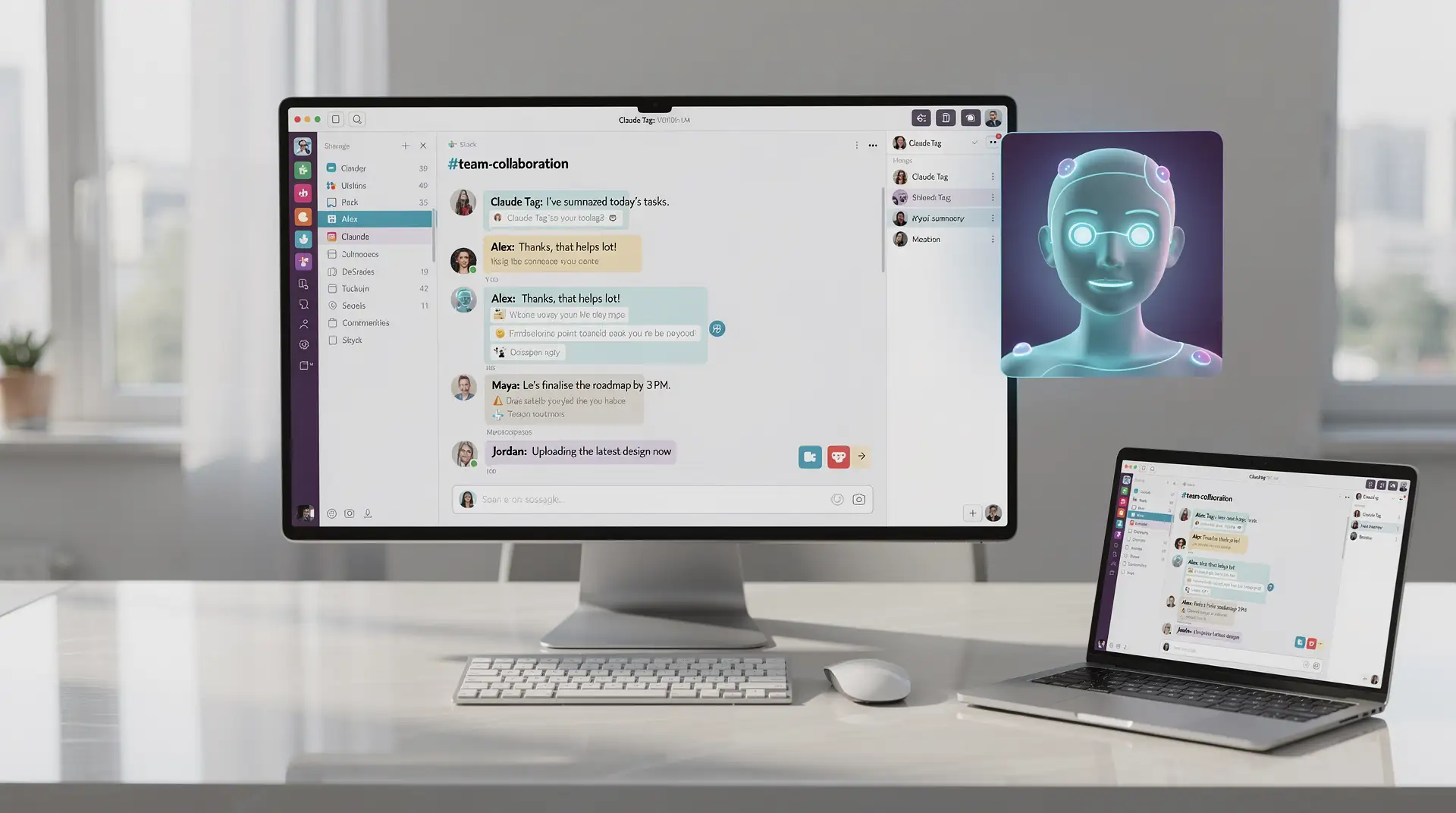
Anthropic has unveiled Claude Tag, a fresh tool designed to improve team collaboration by integrating the AI model Claude into Slack. Teams can now invite Claude as a member, granting it access to specific channels and associated tools, where team members can delegate tasks by tagging @Claude. The AI’s capability to build context enables it to remember pertinent information from ongoing conversations, allowing it to manage tasks effectively and stay organized.
This new feature marks a significant development in the evolution of Claude Code, positioning Claude as an even more proactive participant within team dynamics. Currently, 65% of the product code produced by Anthropic’s internal version of Claude Tag stems from this collaborative effort, which has extended its utility beyond engineering to areas such as tracking product metrics and managing support tickets.
Launch of Claude Tag on Slack aligns seamlessly with the platform’s collaborative nature, and it’s now available in beta for Claude Enterprise and Team users. Plans are underway to broaden its reach, ensuring that teams can implement the tagging system across various work environments.
For those familiar with previous iterations like Claude Code or Cowork, using Claude Tag will feel intuitive. Users simply tag @Claude with requests, and it dissects tasks into manageable parts, executing them sequentially and providing updates in a Slack thread. This functionality introduces several new benefits, enhancing the interactive experience with Claude.
One key feature is that, within a channel, there is a collective @Claude that everyone can interact with, enabling all team members to see its current projects and collaborate in real-time. Moreover, Claude’s ability to learn context over time means users are not required to repeatedly provide foundational information, as it accumulates knowledge from other channels and data resources when permitted.
Claude is also designed to take initiative. When the “ambient” behavior is turned on, it will proactively share relevant updates and information from various channels, ensuring that critical discussions do not go unnoticed. Additionally, it’s capable of working asynchronously, allowing it to manage tasks independently over extended periods, which Anthropic has found invaluable as it optimizes task delegation across multiple instances of Claude.
The implementation of Claude Tag is structured to ensure that teams maintain control over sensitive data. System administrators can delineate exactly what tools and information Claude can access, creating customized identities for different purposes within their workspace. This ensures that, for instance, models set up for sales remain distinct from those meant for engineering tasks, with strict limits on shared memories and data.
Once the setup is complete, administrators can monitor the usage of Claude, including task requests and expenditure limits. The beta launch is available now for Claude Enterprise or Team customers, and those interested can find detailed setup instructions on how to start using the tool. Claude Tag will replace the existing Claude in Slack app, with an introductory launch credit being offered to encourage widespread trial across organizations.
For further details on how to set up Claude Tag, users can visit the documentation and product overview available on the official website.