Now loading...
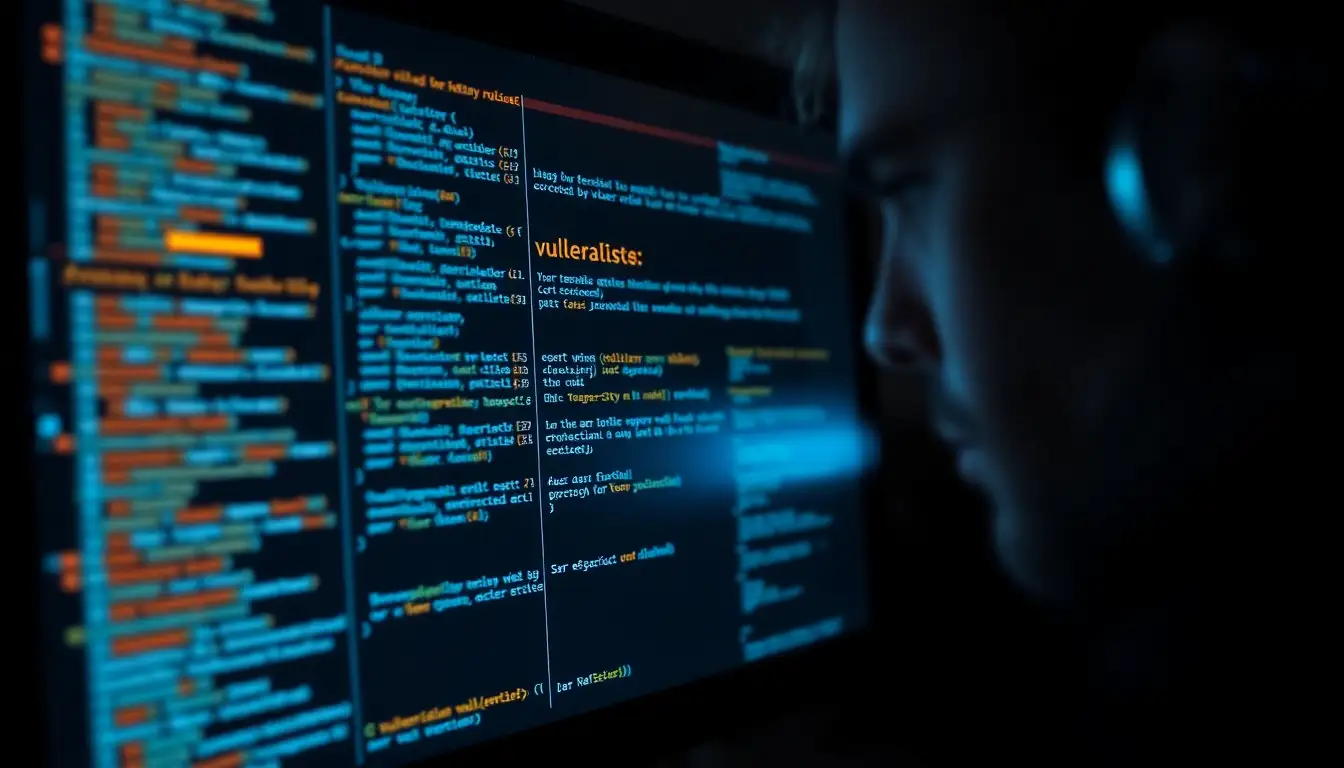
Anthropic has launched a limited research preview of Claude Code Security, a new feature integrated into its Claude Code web platform, aimed at helping development teams identify and remediate elusive security flaws in their software.
The tool addresses a persistent issue in the cybersecurity landscape, where organizations grapple with a surge in vulnerabilities but face shortages of skilled experts to tackle them. While conventional scanning tools excel at spotting familiar threats, they frequently overlook intricate, situation-specific weaknesses that cybercriminals exploit, leaving backlogs to mount for human analysts.
Artificial intelligence is shifting this dynamic. Anthropic has demonstrated that its Claude model can uncover previously unknown, critical security gaps. However, the firm recognizes the dual-use potential of such technology, which could also empower malicious actors. To counter this, Claude Code Security focuses on bolstering defensive efforts, ensuring AI-driven insights primarily aid those safeguarding systems.
Available initially to Enterprise and Team subscribers, with priority access for stewards of open-source projects, the preview allows Anthropic to collaborate with users in refining the feature and promoting ethical deployment.
Unlike traditional static analysis methods that rely on predefined rules to flag standard problems such as unsecured credentials or obsolete cryptographic practices, Claude Code Security employs a more intuitive approach. It interprets code similarly to an experienced security professional, analyzing component relationships, tracking data flows, and pinpointing sophisticated issues like logical errors or inadequate permission controls that evade automated checks.
Each detected vulnerability undergoes rigorous multi-step validation, where Claude double-checks its assessments to eliminate inaccuracies. Results include severity scores to prioritize responses, and they surface in a dedicated dashboard for team evaluation. Suggested fixes come with confidence levels to guide decisions, but all changes require explicit human sign-off, preserving developer oversight.
This advancement draws from over a year of intensive work on Claude’s security applications. Anthropics Frontier Red Team has rigorously evaluated the AI through simulated competitions, alliances with institutions like the Pacific Northwest National Laboratory on protecting vital networks, and practical hunts for bugs in live code. Using the recently introduced Claude Opus 4.6, the team unearthed more than 500 long-dormant flaws in widely used open-source software, many undetected despite extensive prior scrutiny. Anthropic is coordinating with project leads on disclosures and aims to deepen ties with the open-source ecosystem.
Internally, the company applies Claude to audit its own infrastructure, yielding strong results in fortifying defenses. By embedding these capabilities into the familiar Claude Code environment, the tool enables seamless integration into existing workflows.
As AI tools grow adept at unearthing hidden defects, experts predict widespread adoption in code auditing soon. While adversaries may accelerate their hunts for exploitable flaws, proactive defenders can preempt them through timely patches. Claude Code Security advances Anthropics mission to elevate code safety standards industry-wide.
Enterprise and Team users can join the preview now, with open-source maintainers invited to request accelerated entry. For details on applying, visit Claude’s security access page. Additional information is available at Claude Code Security solutions.