Now loading...
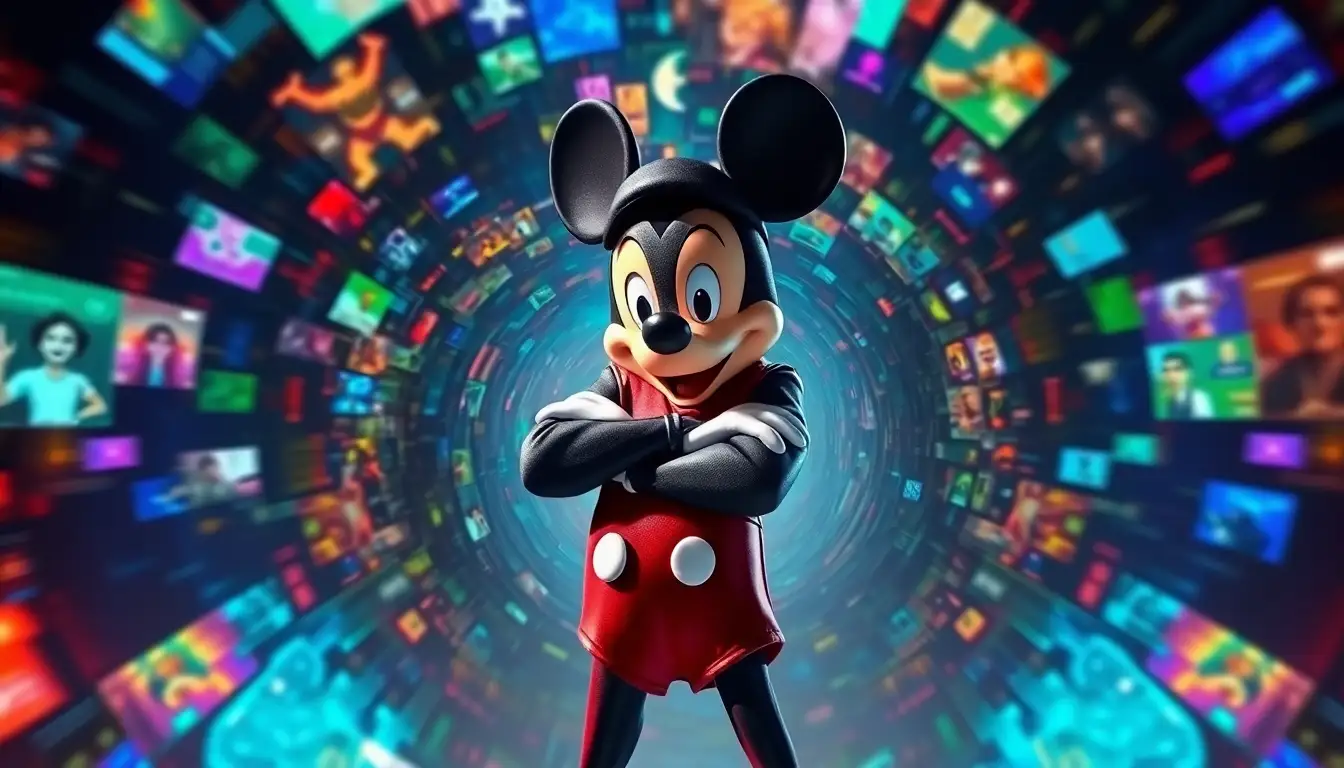
In the escalating battle over AI-generated content, Disney has issued a cease-and-desist letter to ByteDance, the company behind TikTok, accusing its newly launched Seedance 2.0 platform of illegally stocking up on pirated versions of Disney’s copyrighted characters. From Star Wars icons to Marvel heroes and even Family Guy antics, the service appears to treat these protected assets like freely available clip art, prompting swift legal action from the media powerhouse.
The move comes on the heels of widespread criticism for Seedance 2.0, which debuted earlier this week and quickly drew fire from industry groups. Axios first broke the news of Disney’s letter, following condemnations from the Motion Picture Association and, more recently, the Human Artistry Campaign, a coalition that includes SAG-AFTRA and the Directors Guild of America. Disney’s legal team described ByteDance’s approach as a blatant and widespread theft of intellectual property, calling it completely intolerable.
The Human Artistry Campaign went further, labeling the platform a direct assault on global creators. They argued that using AI to replicate and replace human-made work by pilfering existing content undermines cultural progress, insisting that such theft has no place in true innovation.
Seedance 2.0 sparked immediate uproar after videos featuring eerily realistic deepfakes of Hollywood stars and properties exploded online. Highlights included a fabricated showdown between Tom Cruise and Brad Pitt, as well as reimagined conclusions for the Netflix hit Stranger Things, all built on licensed film and TV material without permission.
Just a day earlier, the Motion Picture Association demanded that ByteDance halt its operations, pointing to the platform’s role in large-scale unauthorized exploitation of American copyrights. The group highlighted how the lack of infringement protections in Seedance 2.0 flouts longstanding laws that safeguard artists and support countless jobs in the creative sector.
This isn’t Disney’s first foray into policing AI misuse. Last December, the company targeted Google with a comparable warning, and now tools like Gemini have begun blocking requests involving Disney characters. Concurrently, Disney is hedging its bets in the AI space by partnering with innovators on ethical grounds. Recently, it inked a billion-dollar agreement with OpenAI to officially license its characters for the Sora video generation tool, aiming to capture a slice of the booming market while controlling its own narrative.