Now loading...
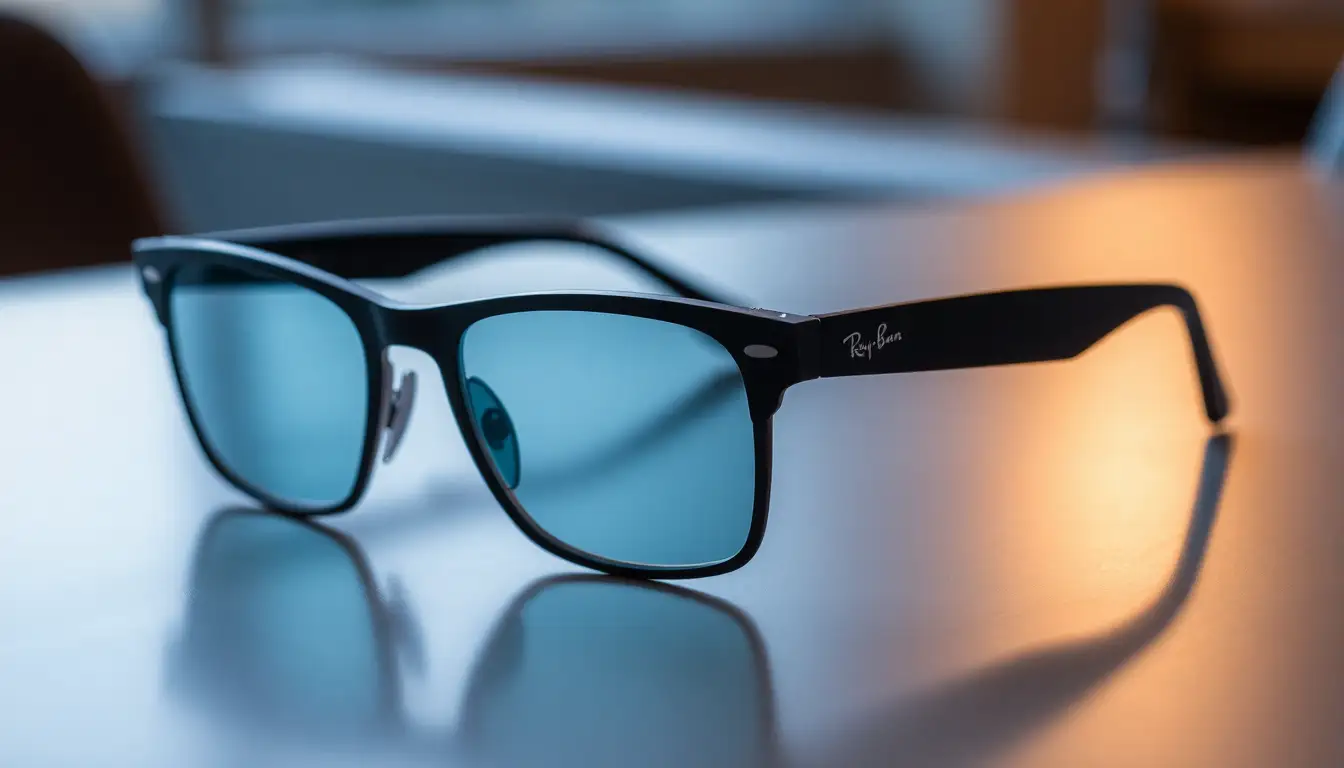
Meta considered introducing facial recognition technology in its Ray-Ban smart glasses amid heightened political tensions, according to a report from The New York Times. The company explored the feature as a way to identify strangers with public profiles on platforms like Instagram, potentially launching it when privacy scrutiny might be lower. This revelation has intensified concerns about the device’s potential for surveillance.
The smart glasses, developed in partnership with EssilorLuxottica, have gained popularity for their sleek design and features like cameras and AI assistance. However, critics argue that their discreet appearance makes them perfect for covert recording. Unlike smartphones, which are more noticeable when in use, the glasses blend seamlessly into everyday wear, raising fears of unchecked monitoring in public spaces.
Journalists and users have long highlighted the tension inherent in these devices. The hardware offers practical benefits, such as hands-free photo capture and navigation aids, but the same subtlety that enhances usability also fuels unease. Reports indicate that the privacy indicator light, meant to signal recording, can be easily disabled or fail, allowing undetected video capture. One publication detailed a modification costing just $60 to turn off the light, underscoring vulnerabilities in the safeguards.
Meta’s track record amplifies these worries. The company faced backlash over the Cambridge Analytica scandal, where user data was misused for political targeting. CEO Mark Zuckerberg has drawn criticism for comments dismissing early users’ privacy concerns and for recent policy shifts allowing AI training on smart glasses data, including voice recordings. In a politically charged environment, plans to deploy facial recognition appear particularly tone-deaf to advocates.
Proponents note potential upsides, especially for accessibility. Individuals with visual impairments have praised the glasses for helping with object recognition and social interactions, like recalling names at events. Yet, even in these contexts, widespread deployment risks abuse. Incidents of so-called “manfluencers” using the devices to film women without permission have surfaced, prompting calls for stricter enforcement.
Meta’s response to misuse has been limited to references to its terms of service and the indicator light, without aggressive action against violators. This mirrors the fate of Google Glass a decade ago, which failed partly due to public resentment toward users perceived as invasive “glassholes.” Social media abounds with threats of confrontation against wearers, though most remain undetected.
While the glasses have proven transformative for some, including those with hearing or mobility challenges, trust in Meta remains low. The company recently discontinued a VR fitness app relied upon by veterans and others with physical limitations, further eroding confidence. Experts warn that without robust privacy reforms, the smart glasses revival could falter, much like its predecessor.
To succeed long-term, Meta must address these perceptions head-on. Partnerships like Oura’s with data firm Palantir and Amazon’s Ring controversies show that consumer backlash can force policy changes. As competitors eye the market, rebuilding trust through proactive privacy measures will be essential to avoid relegating smart glasses back to speculative fiction.