Now loading...
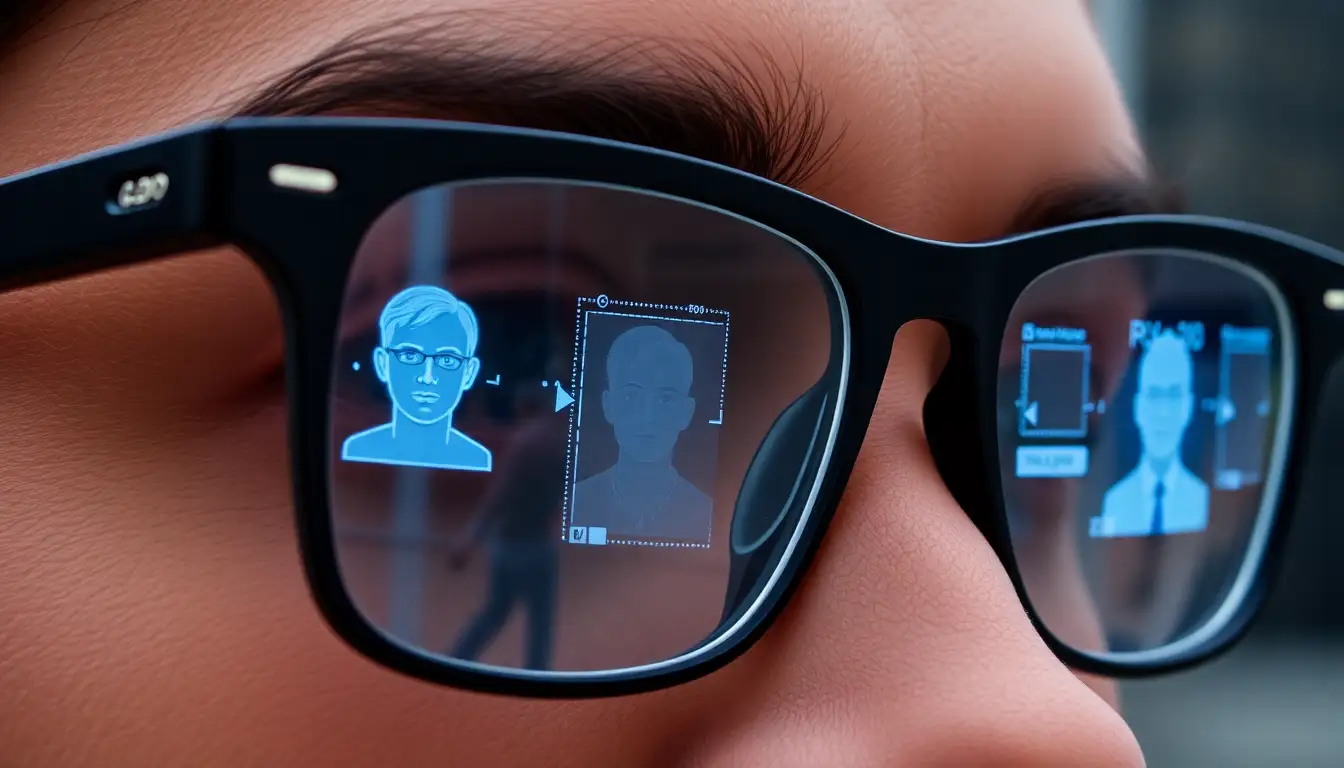
Meta is once again dipping its toes into facial recognition technology, this time aiming to integrate it into its smart glasses lineup later this year. According to a report from The New York Times, the company plans to roll out the feature in glasses co-branded with Oakley and Ray-Ban, allowing wearers to identify individuals and pull up related details through artificial intelligence.
The initiative, known internally as Name Tag, draws from insights shared by four sources familiar with Meta’s roadmap. It would enable users to spot acquaintances or gather basic information on people they encounter, though the company is steering clear of broader surveillance capabilities. Instead of scanning any stranger on the street, the system might focus on those already linked through Meta’s social platforms or draw from publicly available Instagram profiles.
Privacy advocates have long raised alarms over such tools, and Meta’s history reflects those concerns. The firm previously abandoned facial recognition in its initial smart glasses release back in 2023 and held off on demonstrating Name Tag at a conference for visually impaired users last year, citing ethical hurdles. In a leaked internal memo from its Reality Labs division, Meta suggested that the current turbulent political climate in the United States could provide a strategic window to launch without facing intense scrutiny from watchdog groups, as their attention shifts elsewhere.
As the smart glasses sector heats up with entrants from tech giants including potential offerings from OpenAI, Meta sees this AI-driven identification as a way to stand out. The company has navigated facial recognition controversies before: it dismantled the feature on Facebook in 2021 amid public outcry over data misuse, only to revive it in 2024 as a safeguard against fraudulent ads featuring celebrities. That tool has since expanded beyond the US to users in the UK, European Union, and South Korea on both Facebook and Instagram.
While Name Tag promises convenience for social interactions, it underscores ongoing debates about augmented reality’s role in everyday life and the balance between innovation and personal boundaries.