Now loading...
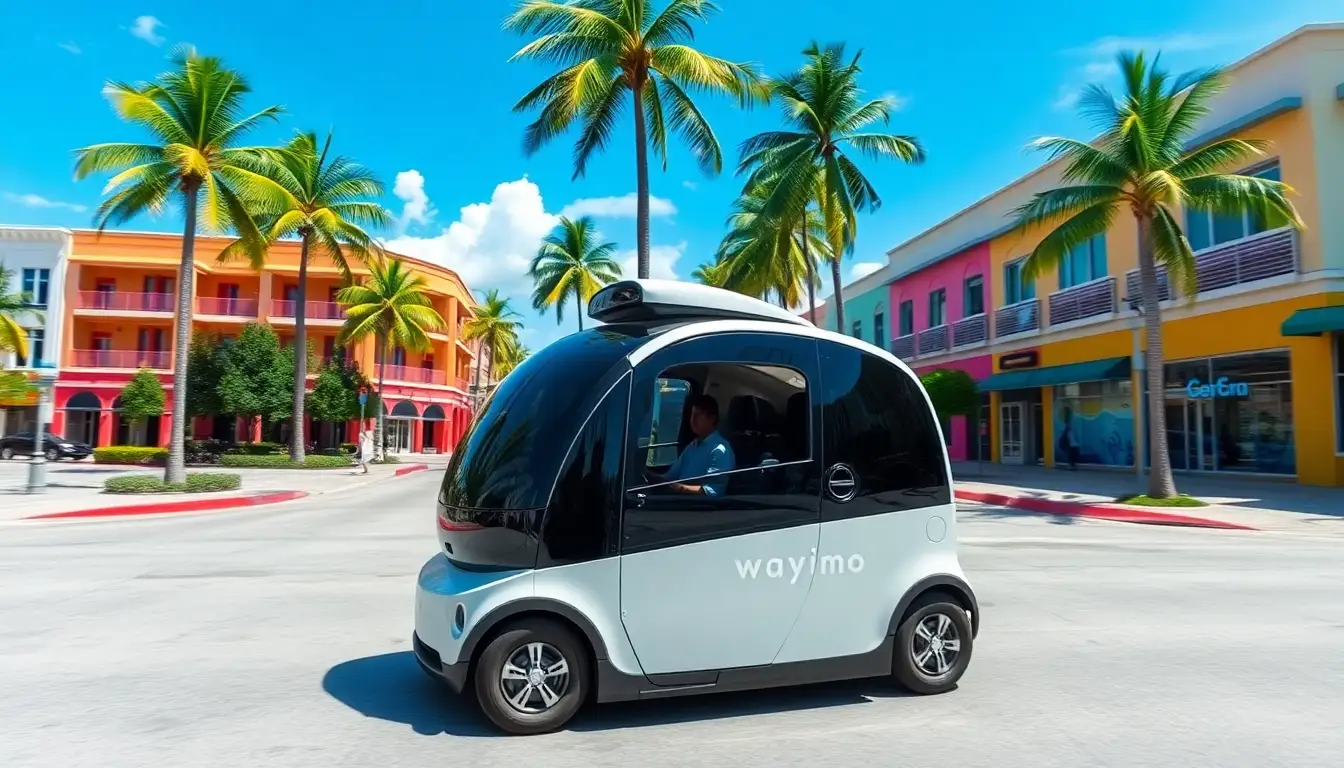
Waymo has launched its driverless ride-hailing service in Miami, marking the company’s expansion into a sixth major U.S. market.
The Alphabet-owned company opened access on Thursday to riders on its waitlist, which numbers around 10,000 people. These users can now summon autonomous vehicles for trips across a 60-square-mile zone covering key areas such as the Design District, Wynwood, Brickell and Coral Gables. For now, the service excludes high-traffic tourist spots like South Beach and limits operations to surface streets, steering clear of highways. Waymo plans to introduce highway travel later in 2026.
The rollout follows a familiar pattern from previous launches, beginning with invited waitlist members before extending to the general public. The operational area is expected to expand gradually, eventually incorporating sites like Miami International Airport and additional neighborhoods.
Waymo has conducted intermittent testing of its self-driving cars in Miami since 2019, focusing on the region’s challenging weather and traffic. The company confirmed its Miami intentions in late 2024 and has since prepared for commercial deployment.
Local fleet operations will be handled by Moove, a mobility firm offering vehicle management and financing solutions. The Nigeria-based company, which counts Uber among its investors, recently reached a valuation of $750 million. Moove’s website details its global services for ride-hailing operators.
Waymo’s autonomous fleet already serves San Francisco, Los Angeles, Austin, Atlanta and Phoenix. The firm aims to enter more than 20 additional locations in the years ahead, with potential sites including San Diego, Philadelphia, Minneapolis, Tampa, Houston, Orlando, Washington, D.C., New York City, Denver, New Orleans, Tokyo and London. However, some communities have voiced opposition to the technology’s arrival.
Highlighting its track record, Waymo reported a 10-fold decrease in severe crash incidents compared to human-operated vehicles in its active markets. Demand continues to rise, with the service completing roughly 450,000 paid rides weekly by the close of 2025.